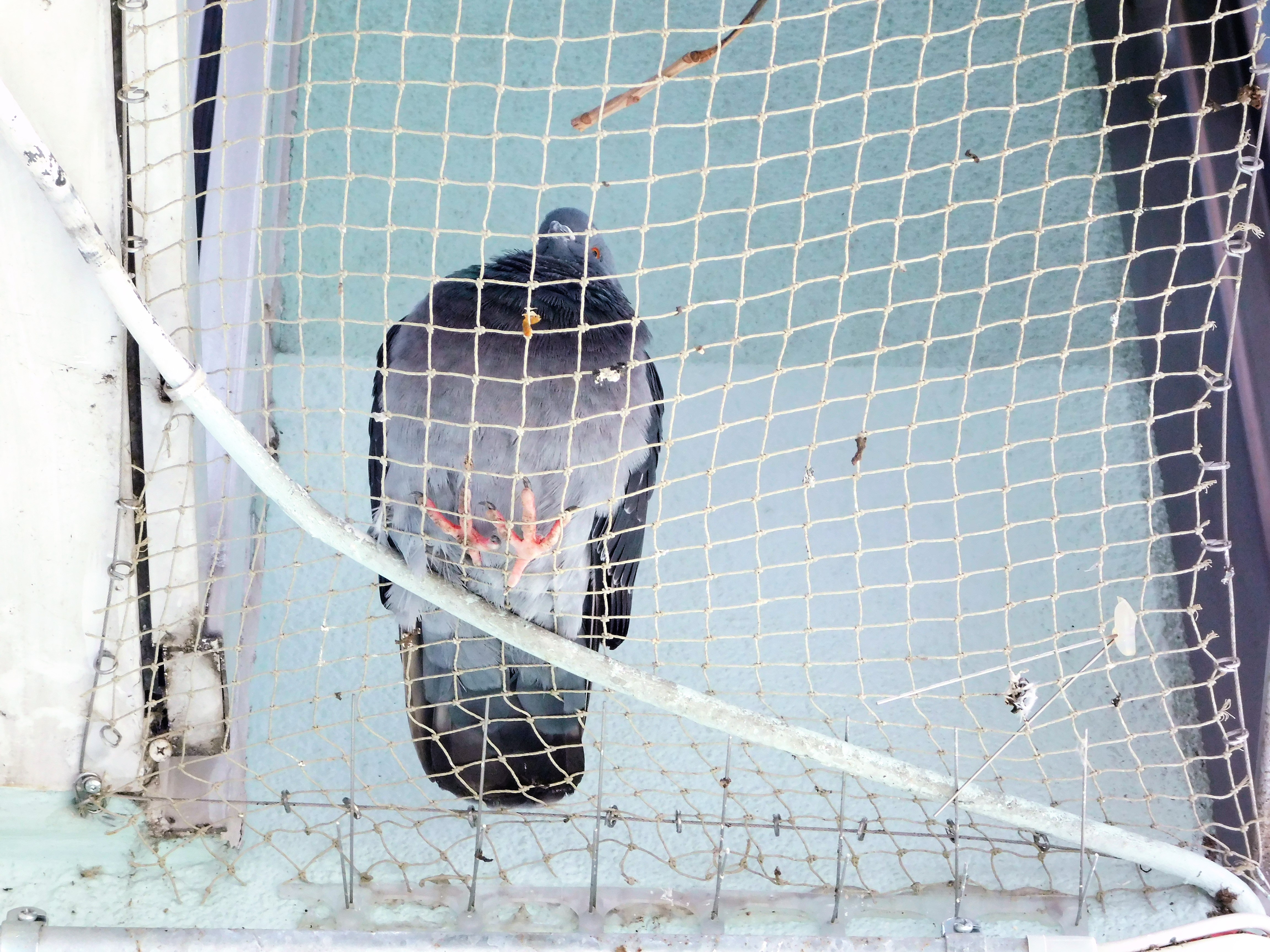
Photo by Carla di Francesco
It is not at all unknown behavior in human life and the world that we think responsibly about an object, a business, another person, an animal or even a social relationship only to the point where we can derive value from it. That is, when we no longer have an interest in a given living or non-living thing, in the best case we simply become uninterested, perhaps throw it aside, but in the worst case we even destroy it, lock it up, or eliminate it. This is mostly the case with city pigeons, since we still think in terms of a worse-case scenario, especially if as city dwellers we have been sucked in by the stereotypes surrounding city pigeons.
The city – where the majority of humanity lives and dies – has become inseparable from the presence of the city pigeon, while the city – which people shape to suit their own needs – wants to keep its "real" nature and wildlife out of its own attention. By the way, more and more of us are forced to realize that nature is increasingly not a primary living space for modern people, because the natural environment of urban people is the city itself. Its houses, streets, squares, parks designed according to the ideal of beauty, or even participating in nightly music events, have become part of the urban lifestyle. But this is not bad or good, it is just a choice among the lifestyles available to us. At the same time, various animals cause disturbances in the urban lifestyle simply by their existence, among which the city pigeon occupies a prominent place in its popularity.
That is why I talked to Monic Moll, Campaigner for whistleblower cases at PETA Germany about the situation of city pigeons.
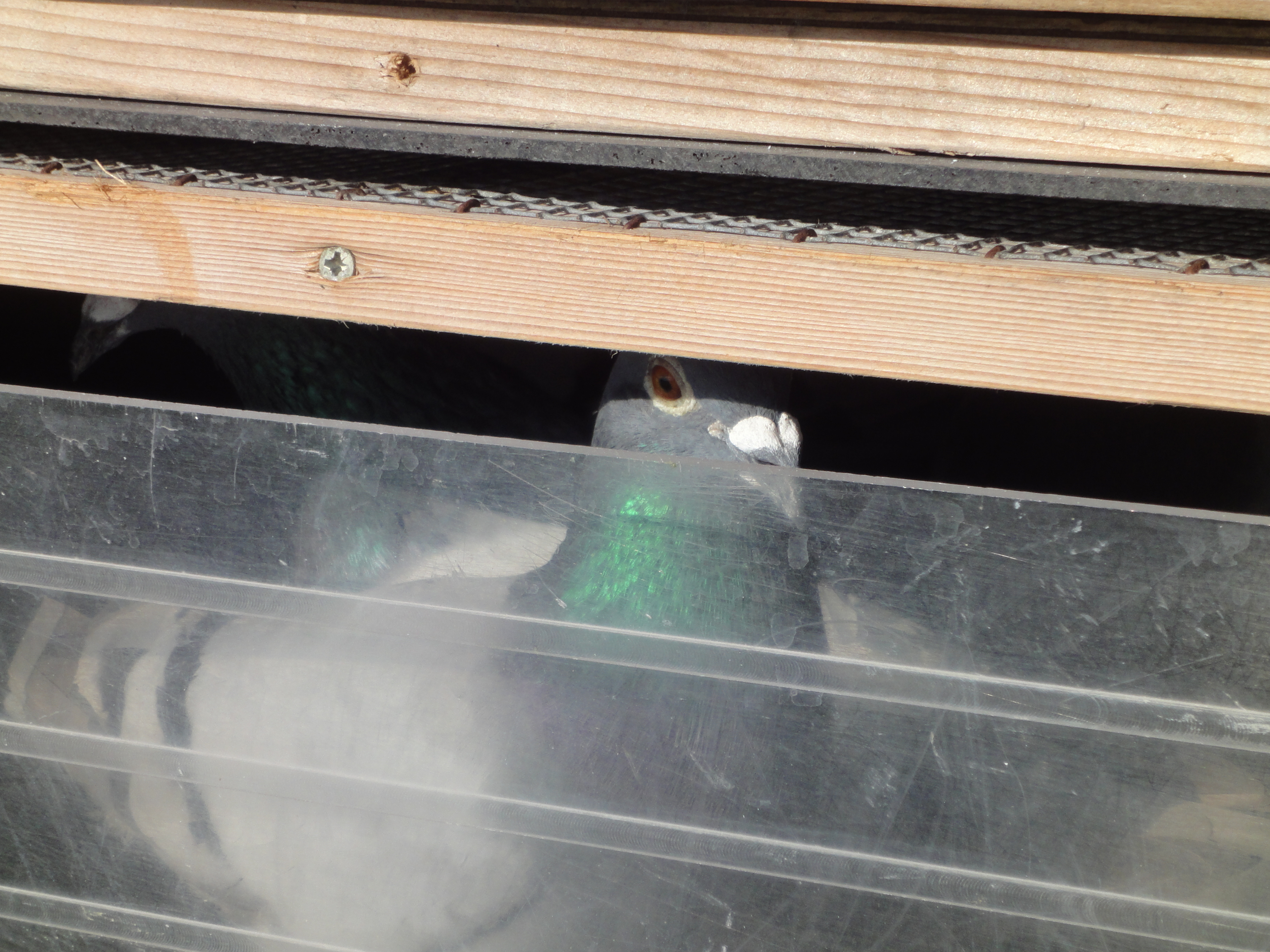
Photo by PETA
How would you introduce the animal protection organization PETA?
„PETA Germany was founded in late 1993 and is the largest animal rights organization in the country, campaigning for animal rights. PETA's partner organizations are supported by more than 10.4 million people worldwide. Other partner organizations are active in Asia, Australia, France, Great Britain, India, the Netherlands, Switzerland, and the USA. Our goal is to help every animal live a better life. To achieve this, we are committed to exposing animal cruelty, educating the public, and promoting a mindful and respectful way of life. At PETA Germany, we act in the tradition of social liberation movements and campaign for an end to speciesism, a discriminatory pattern of thinking and behavior that justifies the exploitation or exclusion of living beings based on their species. We stand for the abolition of the mistreatment, discrimination, and exploitation of animals and fight for the establishment of their rights. In this context, we receive nearly 5,000 reports of animal cruelty cases each year.” – Monic talks about the organization’s past and efforts.

Photo by PETA
The work they do shows great and enormous commitment. But, as for the situation in Hungary, it must first be mentioned that there are 5 known species of pigeons in Hungary (including pigeons and doves), but the population often does not have enough information when it comes to identifying their species. This certainly increases the dislike felt towards them and there are certainly reasons rooted in the past to which the bad reputation of city pigeons can be traced.
„First, it is worth clarifying what is meant when we talk about pigeons. Let's start with the wild pigeons, which include, for example, wood pigeons and collared doves. These species are native wild birds and are therefore protected in Germany. Wild pigeons do not have a bad reputation in this country. So-called city pigeons are abandoned carrier pigeons and their offspring, which usually live in cities. The reason for this is that carrier pigeons are descended from rock pigeons, which do not nest in trees like native wild pigeons, but on rocky ledges. Buildings in cities are the closest thing to rocks, which is why so-called city pigeons do not breed in forests or in nature. In addition, “carrier pigeons” are domesticated pigeons. They are not only accustomed to being close to humans, but also depend on human care due to domestication and breeding. Unlike wild pigeons, “city pigeons” breed several times a year due to their breeding. The breeding instinct forces pigeons to lay eggs and brood, regardless of the season and whether there is sufficient food available. In the past, “carrier pigeons” were used for meat production and as letter carriers. When carrier pigeons fell out of use after the war, they were simply abandoned and left to fend for themselves. The pigeons sought refuge in cities, where they can still be found today. “Wedding dove releases” and “carrier pigeon races” repeatedly cause animals from these releases to stray and join the so-called city pigeon populations, further increasing their numbers. We are therefore campaigning for a ban on races and releases of “wedding doves.” Since so-called city pigeons can hardly find any food in cities, the animals become ill and their droppings change from solid to liquid. Many people are then bothered by the pigeons' droppings, which is why they are often deterred using methods that violate animal welfare, such as spikes and nets, which can be life-threatening for the animals. In addition, they often fall victim to animal abusers and are shot or deliberately injured.” – PETA expert explains.
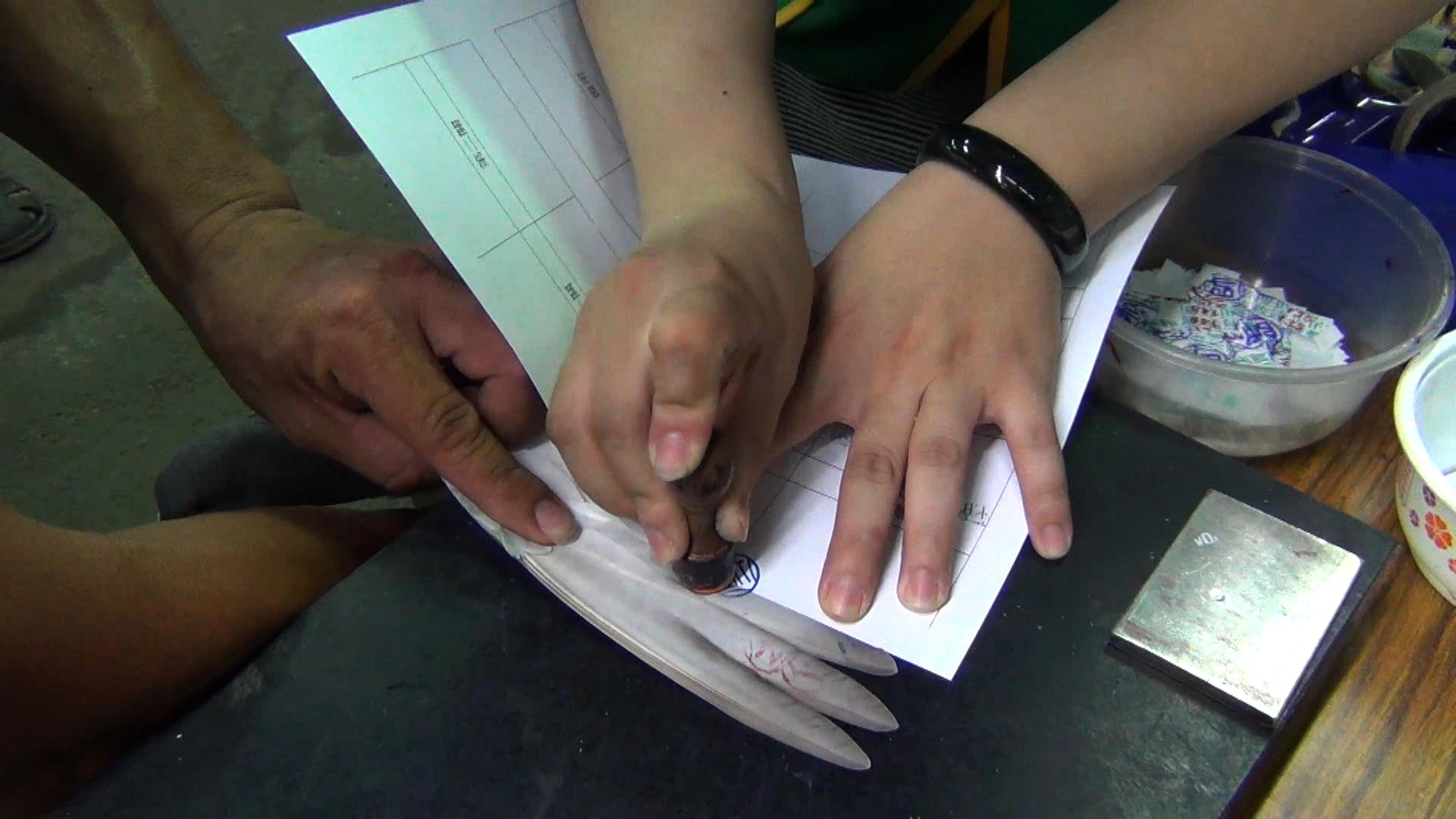
Photo by PETA
In Hungary, typically in the downtown areas of large cities with century-old buildings, you can see yards, balconies, and corridors equipped with bird nets and stainless steel spikes. The population is disgusted by pigeon droppings and various infectious diseases, so they find these devices completely acceptable for expelling pigeons from the living environment.
„Well, yes. Nets, spikes, and feeding bans only cause great animal suffering and do not ensure sustainable regulation of pigeon populations in cities. If pigeons are provided with healthy food, they will beg less in cities and from people. In addition, people need to be educated that pigeons do not spread more diseases than our fellow animal inhabitants. So if you find a sick or injured pigeon in the city, you can easily touch and catch it to help it and take it to a pigeon rescue center or a veterinarian. Many cities and pest control companies continue to spread the misinformation that pigeons in particular are carriers of disease. However, pigeons usually have bird-specific diseases that only spread among birds, and even in the case of bird flu, pigeons can absorb the pathogen but cannot spread it further.” – the expert highlights, then adds: „Only if the pigeons receive food in the supervised lofts do feeding bans in cities make sense.”
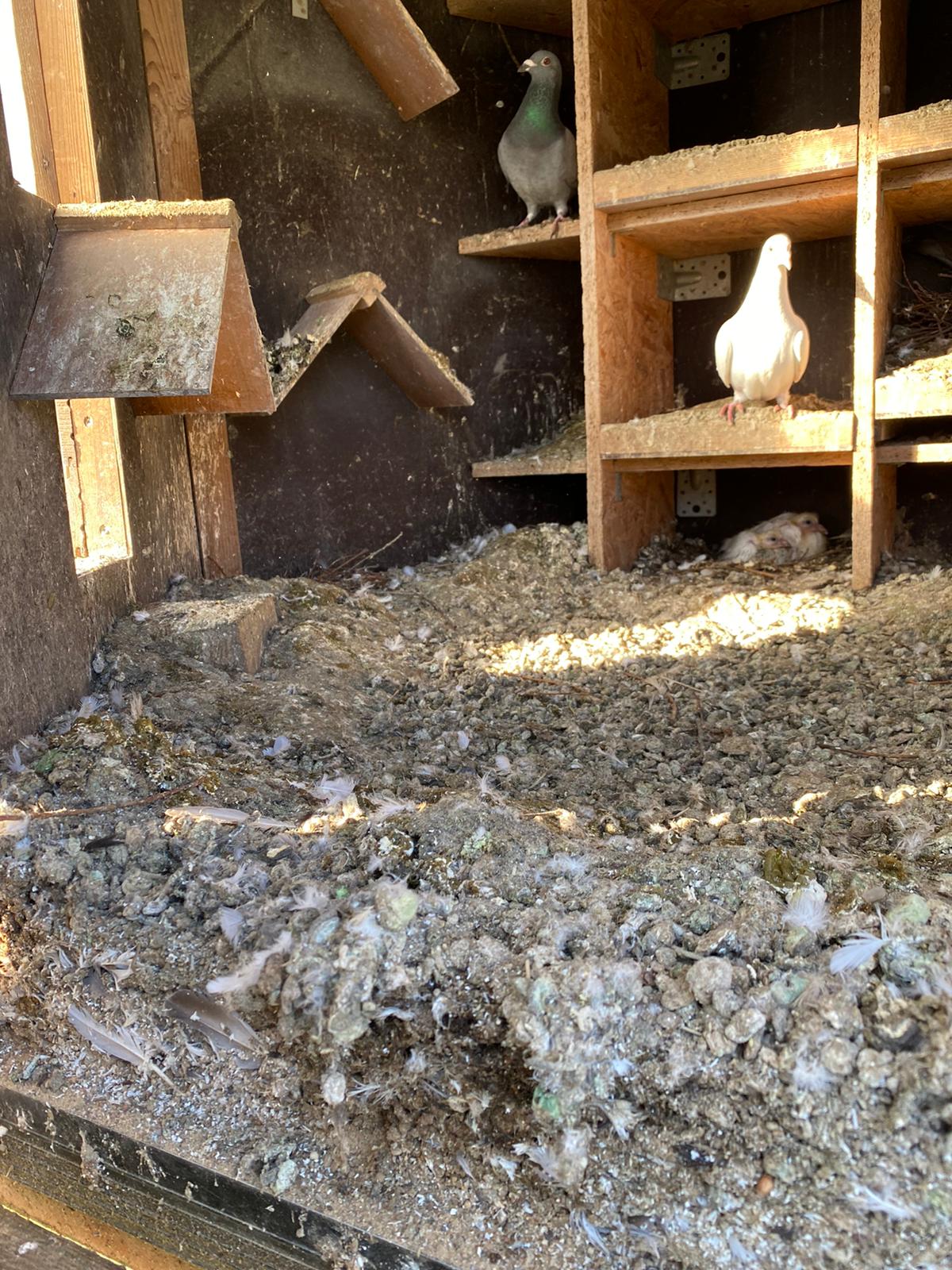
It is not from a well-maintained dovecote, but from a poorly kept zoo. The large amount of pigeon droppings makes it look a bit unattractive. Photo by PETA
A pigeon loft needs no introduction to those living in a village or farm, but its appearance in the city may seem a bit strange.
„Maybe it is not so strange, at least I hope. But to explain a little, since pigeons in cities depend on human care, it is imperative to provide them with species-appropriate care and to regulate their populations in a sustainable and animal-friendly manner. Sustainable pigeon management in cities is essential for this. This necessarily includes supervised pigeon lofts where pigeons receive healthy food and where their eggs can be exchanged for plaster dummies. Healthy animals produce firmer droppings that are easier to remove and also end up mostly in the pigeon loft and no longer in the cities. Since the animals are loyal to their location, sufficient supervised pigeon lofts must be built in the areas of the city where most pigeons are found.” – Monic Moll from PETA explains why a pigeon loft can be useful.
The population is divided on the issue of feeding, but a feeding ban seems to be a viable option in the long term, given the existence of pigeon lofts.
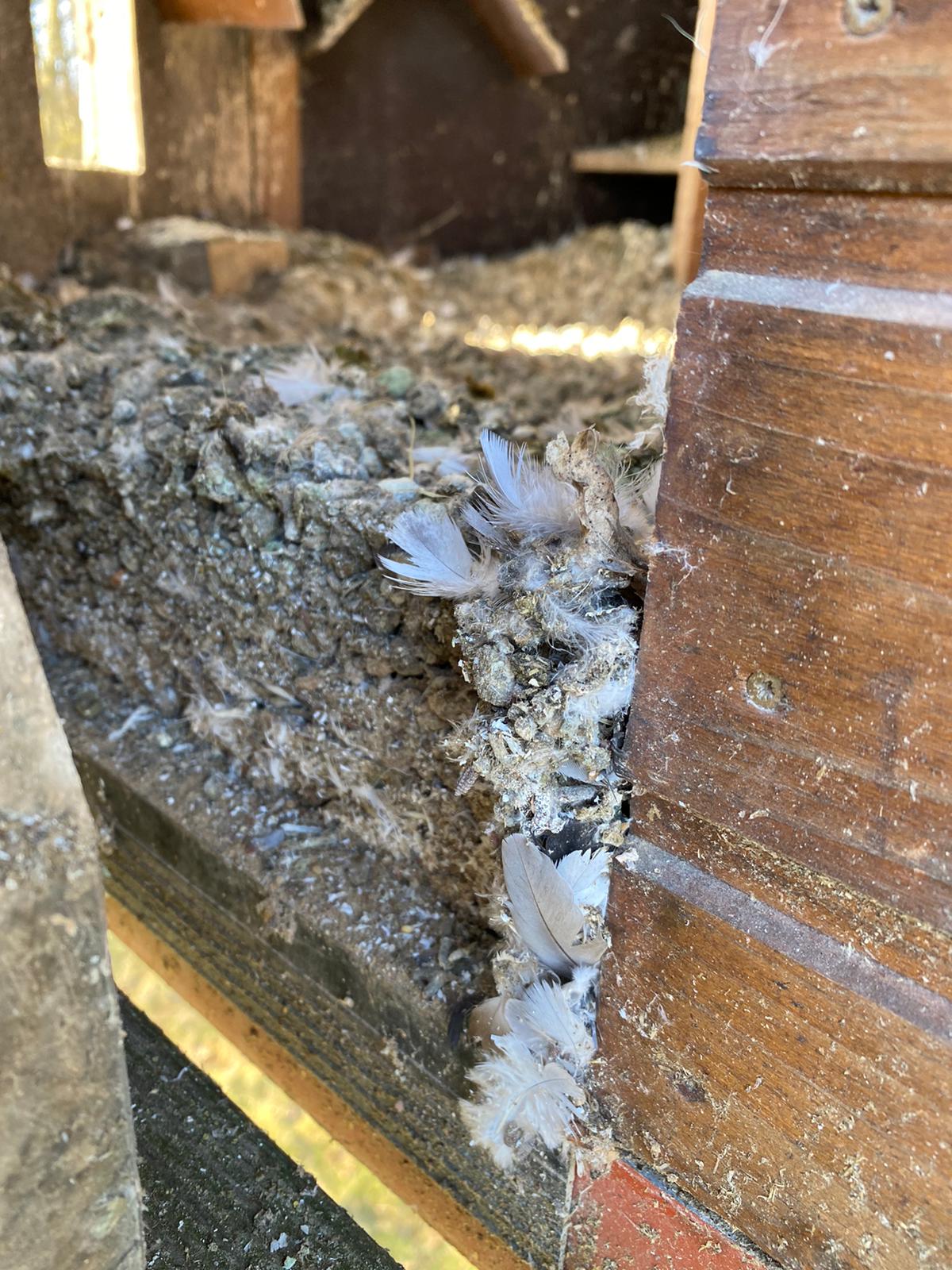
It is not from a well-maintained dovecote, but from a poorly kept zoo. The large amount of pigeon droppings makes it look a bit unattractive. Photo by PETA
„Of course, only if the pigeons receive food in the supervised lofts do feeding bans in cities make sense. Without sufficient supervised pigeon lofts, feeding bans in cities mean disease and hunger for the pigeons. However, this alone does not reduce the number of pigeons; only egg replacement enables a sustainable and animal-friendly reduction. If it is not possible to set up a supervised pigeon loft in some parts of cities, it is necessary for the city to employ people who regularly visit the pigeons' breeding sites and replace the eggs with plaster dummies.” - the expert details the connections between pigeon lofts and pigeon begging.
Looking at the social relationships of pigeons, what important things do you think we can learn from them?
„So-called carrier pigeons, or “city pigeons,” are very loyal animals. They remain loyal not only to the place where they were born, but also to their partner for life. They incubate their nest and eggs together and also raise their offspring together lovingly. So-called carrier pigeon breeders ruthlessly exploit this strong loyalty to their home, their partner, and their children in racing competitions. They deliberately separate the pigeons from their partners and children for the races in order to motivate them to fly back to their home loft as quickly as possible due to their great longing for their family. On flights that are usually hundreds of kilometers long, many pigeons get lost, become dehydrated, or are preyed upon by birds of prey and die. The “loss rate” for these flights averages 53% per season. This means that more than half of the pigeons do not return to their partners or their young. The flights demand feats of endurance that the animals are barely capable of, resulting in the agonizing death of the pigeons for the entertainment of humans.” - the expert reports on the sad reality.
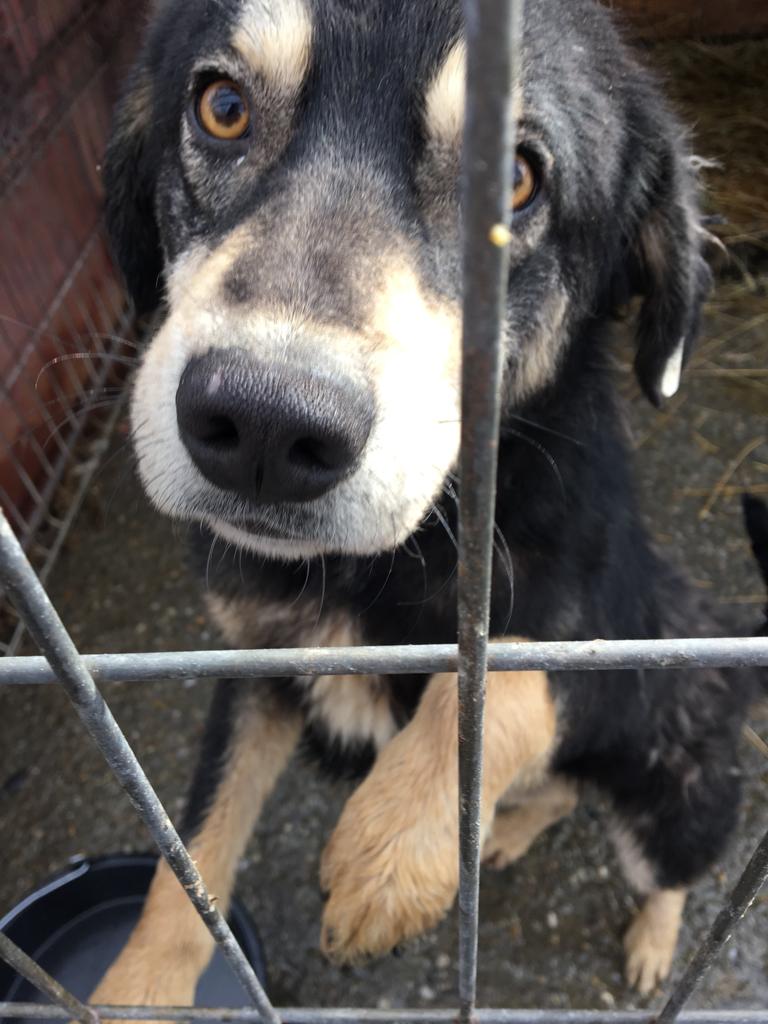
Photo by PETA
Then it is also true that the quality of your life is largely determined by where you were born. That is, not only humans, but also the situation of the city pigeon differs from continent to continent or even country to country, just as the happiness of other animals largely depends on which part of the world they were born.
„True! Different animal species are perceived differently by people around the world. For example, in parts of Asia it is normal to eat dog meat, while in Europe dogs are considered loyal companions to humans. They usually live with us in our homes, are allowed to sleep on the sofa, we take them for walks and buy them toys and treats. While cattle are sacred in parts of Asia and revered for religious reasons, in Europe they are kept for milk and meat production. The animals are often kept in small, dark stalls, separated from their mothers as calves, and many of them will never feel green grass under their feet, but are exploited for a short life until they are no longer useful. The reason for this is the concept of speciesism. Speciesism is the discrimination against non-human animals and their exploitation as food, research subjects, clothing materials, or toys. Just like discrimination against humans based on their gender, origin, disability, age, or sexual orientation, speciesism causes great suffering to those affected.” - the PETA expert compares our behavior towards different animals.
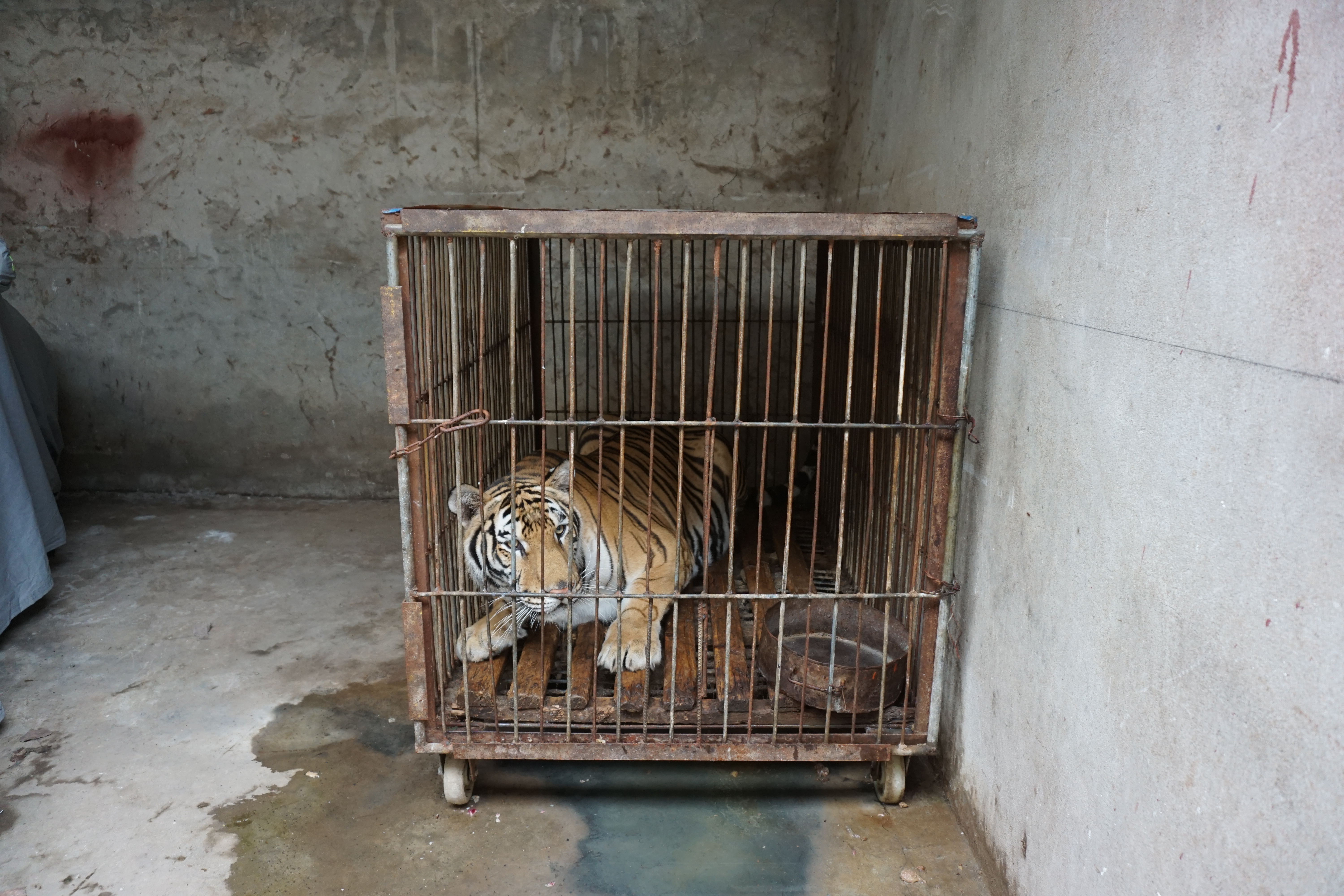
Photo by PETA
What results have you achieved so far in the pigeon case?
„For years, we have been in contact with politicians, cities, municipalities, authorities, private individuals, and companies. We raise awareness through press releases, social media, and our website to educate people about the suffering caused to animals by humans. There are already cities in Germany that have established pigeon management programs and have partially abandoned animal welfare-violating deterrent measures such as nets and spikes. In particularly serious cases where pigeons are killed or seriously injured, we also file criminal charges.” – then adds: „Through our public relations work, we try to make people aware of the suffering of pigeons in cities and encourage them not to look away when they see animal cruelty, but to help the animals.”
Why is it difficult to achieve any kind of change in attitude in animal protection in general (not highlighting pigeons)?
„There are more and more people who care about animal welfare, who are committed to animal protection and who therefore eat a purely plant-based diet and live in a way that does not cause animal suffering. City pigeons also have more and more advocates in Germany, their suffering is more visible and local politicians in many places are becoming more aware of the issue. The importance of animal welfare varies depending on the culture. People often justify the suffering they cause animals with tradition and habit – “We've always done it this way.” Humanity has evolved because, sooner or later, progress has prevailed. We no longer live in caves, but in insulated houses where hot water comes out of the tap. Tradition is no justification for causing animal suffering. The idea of speciesism also plays a major role in this. For many people, animals “must” be useful – for food, entertainment, or as animal friends for children. For many animals, this “usefulness” alone determines whether they are allowed to live and how their life or death benefits humans. A lot of education is needed to raise awareness that animals can also feel pain and emotions and have needs, just like us humans. Educational work is PETA's main focus.” – then highlights that: „Only when people are fully informed about these issues will it be possible for animals to live with us in dignity and with their own rights.”
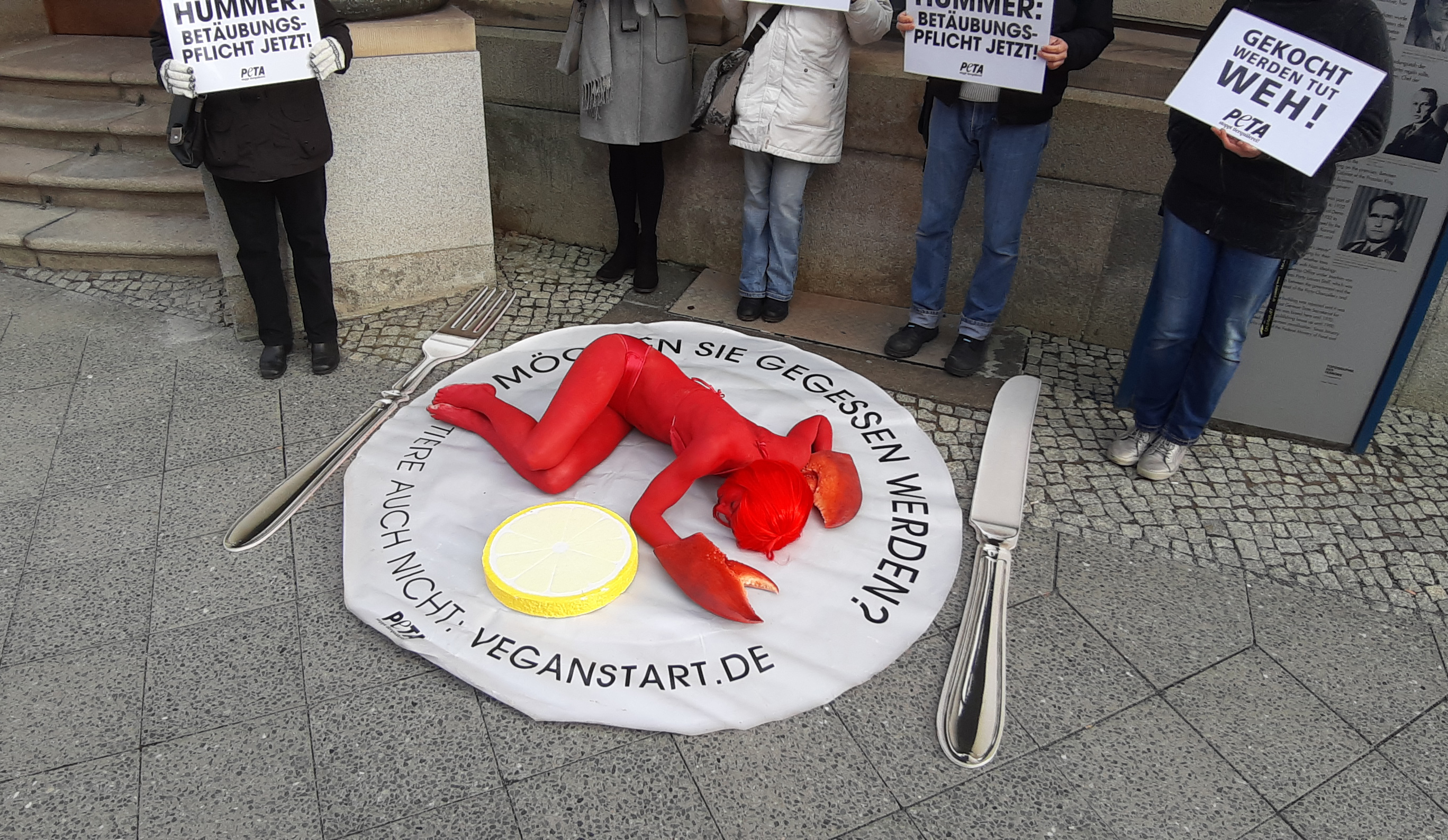
Photo by PETA
Finally, Monic Moll, the PETA expert, concludes the interview as follows: „Current obstacles are mostly cities and municipalities that adhere to animal welfare-unfriendly deterrent methods and outdated knowledge about the behavior and lifestyle of pigeons, and shy away from more sustainable innovations in dealing with so-called city pigeons for cost reasons.”
Since there have been no comprehensive public opinion polls on city pigeons in Hungary, it would be worth considering strategies that have already worked well abroad as a solution. We must be able to recognize that if we help city pigeons, we are also doing ourselves a favor, since everything is still connected to everything else, so this could be a perfect example of positive utilitarianism, provided that we do not intend to give it up for now.